Filming Guide
Location Permits and Image Rights for On-site Filming
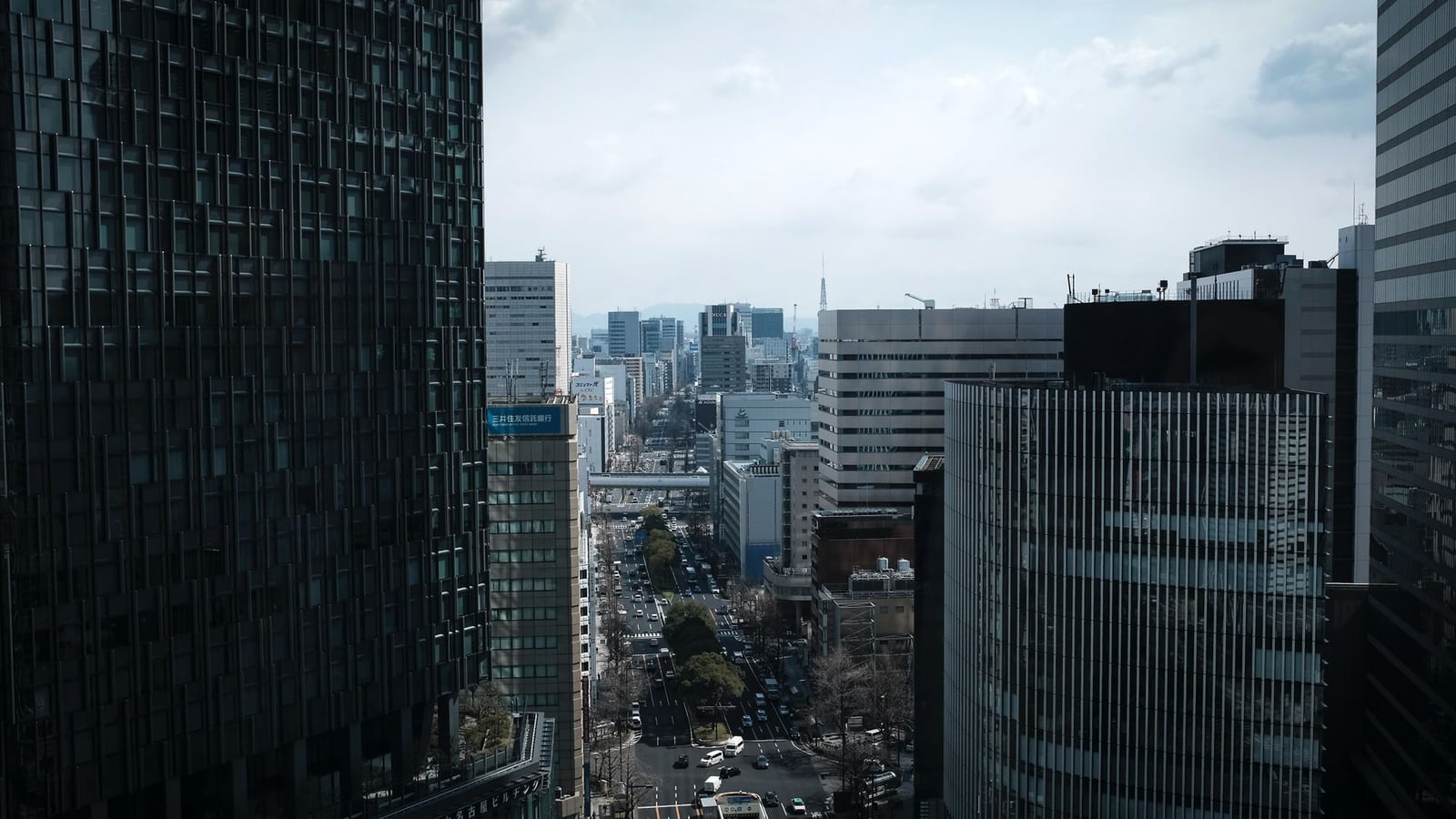
Filming in outdoor or public spaces requires more than just a camera and a crew. Especially in high-traffic commercial districts like Naka-ku, Nagoya, obtaining prior permits and respecting the image rights of passersby is essential. This guide provides practical insights to avoid legal disputes and focus on your creative production.
1. The Importance of Filming Permits
A common misconception is that "public spaces" are free for unrestricted filming. In reality, every location—whether a public park, a sidewalk, or a shopping mall—has a manager or a governing authority. Filming without permission can be viewed as a violation of management rights, leading to immediate production halts, equipment seizure, or even claims for damages.
When using professional gear such as tripods, external lighting, or reflectors, you may obstruct pedestrian traffic. In such cases, a formal "Road Use Permit" from the local police is mandatory. Securing these permits is not just a bureaucratic hurdle; it is a demonstration of professional integrity and a commitment to the safety of the local community.
2. Navigating Permits in Naka-ku, Nagoya
For productions in the Naka-ku district, particularly around the bustling Nishiki area or the central business corridors, the application process generally follows these steps:
- Identifying the Authority: Determine if the site is city-owned (municipal), privately owned, or part of a specific commercial facility.
- Submission of Applications: For parks, contact the Nagoya City Park Management Division. For street filming, submit a Road Use Permit application to the jurisdiction police station (such as the Naka Police Station).
- Obtaining the Permit: Once issued, the permit must be carried on-site at all times to be presented to officials or police officers upon request.
For private properties or storefronts, direct written agreement with the owner is required. We recommend presenting a detailed project proposal specifying the purpose of the shoot, the exact timeframe, crew size, and equipment list.
3. Image Rights and the Act on the Protection of Personal Information
In Japan, the right to one's own image (Shozoken) is a recognized legal concept based on the right to privacy. Furthermore, modern video production must strictly adhere to the Act on the Protection of Personal Information.
When filming in crowded areas, it is inevitable that strangers will appear in the background. Publishing such footage without consent can lead to requests for removal or legal action for privacy infringement. For primary subjects, including employees or models, a signed "Appearance Release Form" is an absolute requirement for any professional production.
4. Managing Background Subjects
Since obtaining consent from every single pedestrian is practically impossible, we employ several technical and operational strategies:
- Depth of Field: Using a shallow depth of field (bokeh) to blur background figures so that individuals cannot be clearly identified.
- Angle Adjustment: Choosing off-peak hours or adjusting the camera angle to avoid capturing clear facial features of non-consenting bystanders.
- Post-Production Processing: Applying mosaics or blur filters to identifiable faces during the editing phase.
5. Essential Elements of a Release Form
To prevent future disputes, all participants should sign a release form containing the following key points:
| Item | Description |
|---|---|
| Purpose of Use | Usage for websites, SNS, corporate profiles, and promotional activities. |
| Duration of Use | From the date of publication for a specified period or until the purpose is achieved. |
| Scope of Distribution | Internet distribution worldwide, exhibitions, and corporate presentations. |
| Ownership of Rights | Copyright of the final footage belongs to the production company or the client. |
6. On-site Filming Checklist
Before heading to the location, ensure the following points are verified:
- [ ] Formal permission obtained from the location manager (copies of permits on hand).
- [ ] Road Use Permit filed with the police if the scale of production affects traffic.
- [ ] All signed Appearance Release Forms collected and archived.
- [ ] Prior notification sent to neighboring residents or businesses.
- [ ] Production insurance active to cover potential on-site accidents.
7. Summary and Professional Consultation
Managing permits and image rights is a meticulous process, but it is the most critical part of risk management in video production. For B2B corporate videos or event coverage, any legal oversight can damage a company's reputation.
If you are unsure about the application process or the legalities of a specific location, we recommend consulting a professional producer. Kleigmeshid provides end-to-end support, from initial planning and scouting to securing the necessary permits for a smooth production.
Recommended Reading
To optimize your production workflow, please refer to our other guides:
Creating a Corporate Video Script in One Day
Planning a location shoot or need professional event filming?
View Event Filming Services Contact Our Team